Our goal is to develop curative treatments for
neurodegenerative diseases
SRSF1: Our Therapeutic Target
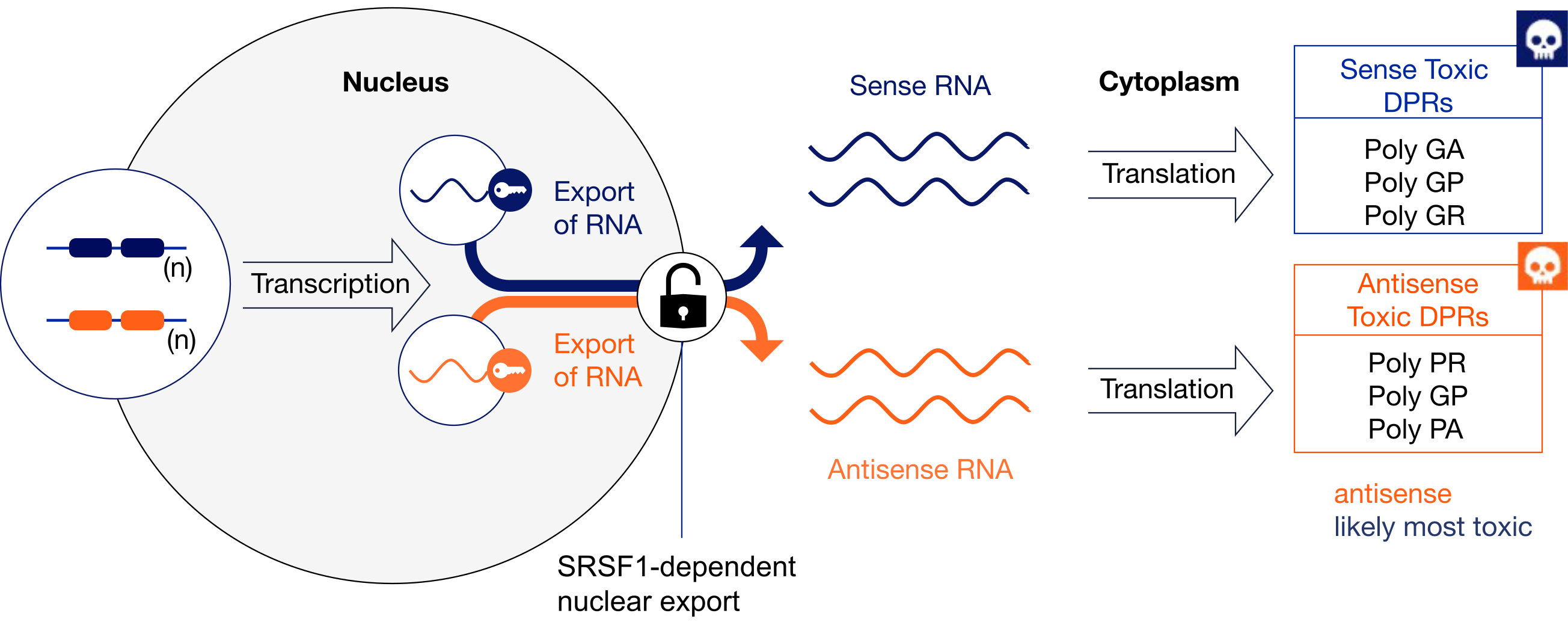
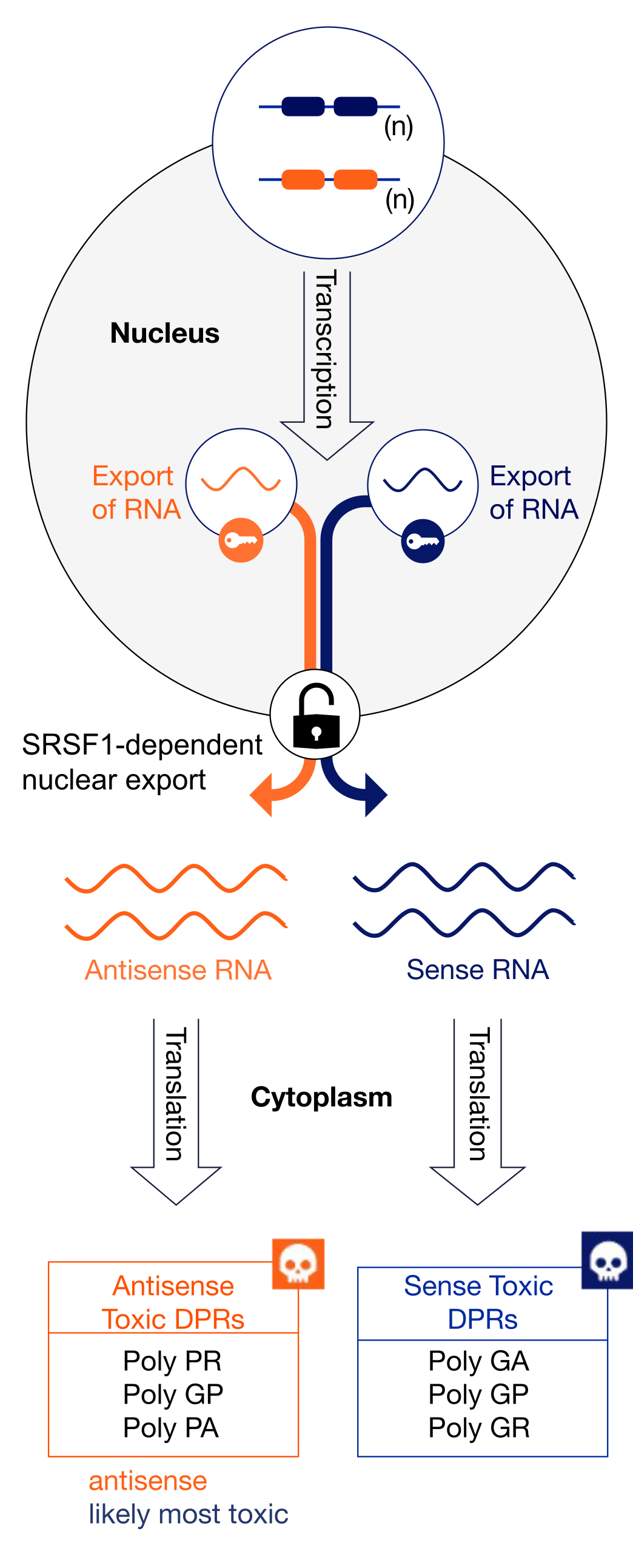
Serine/Arginine-rich splicing factor 1 (SRSF1) plays a key role mRNA transport from the nucleus to the cytoplasm.
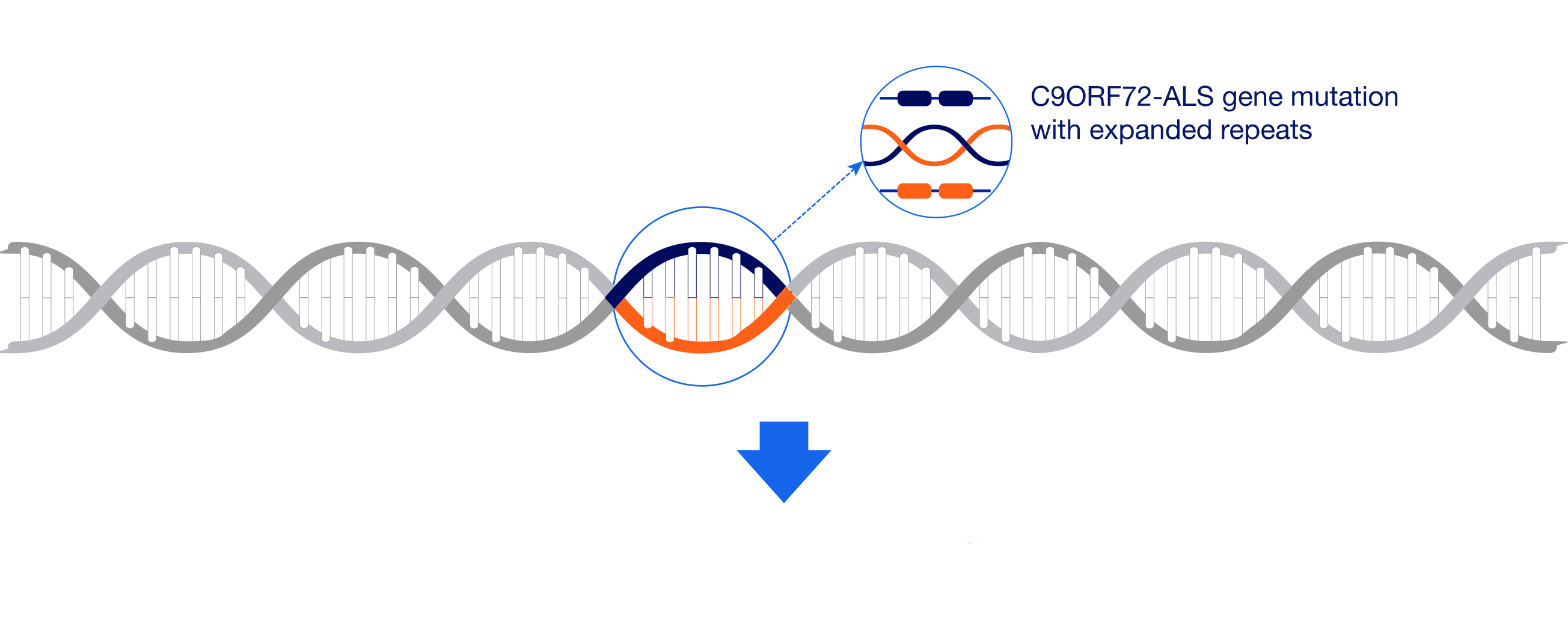
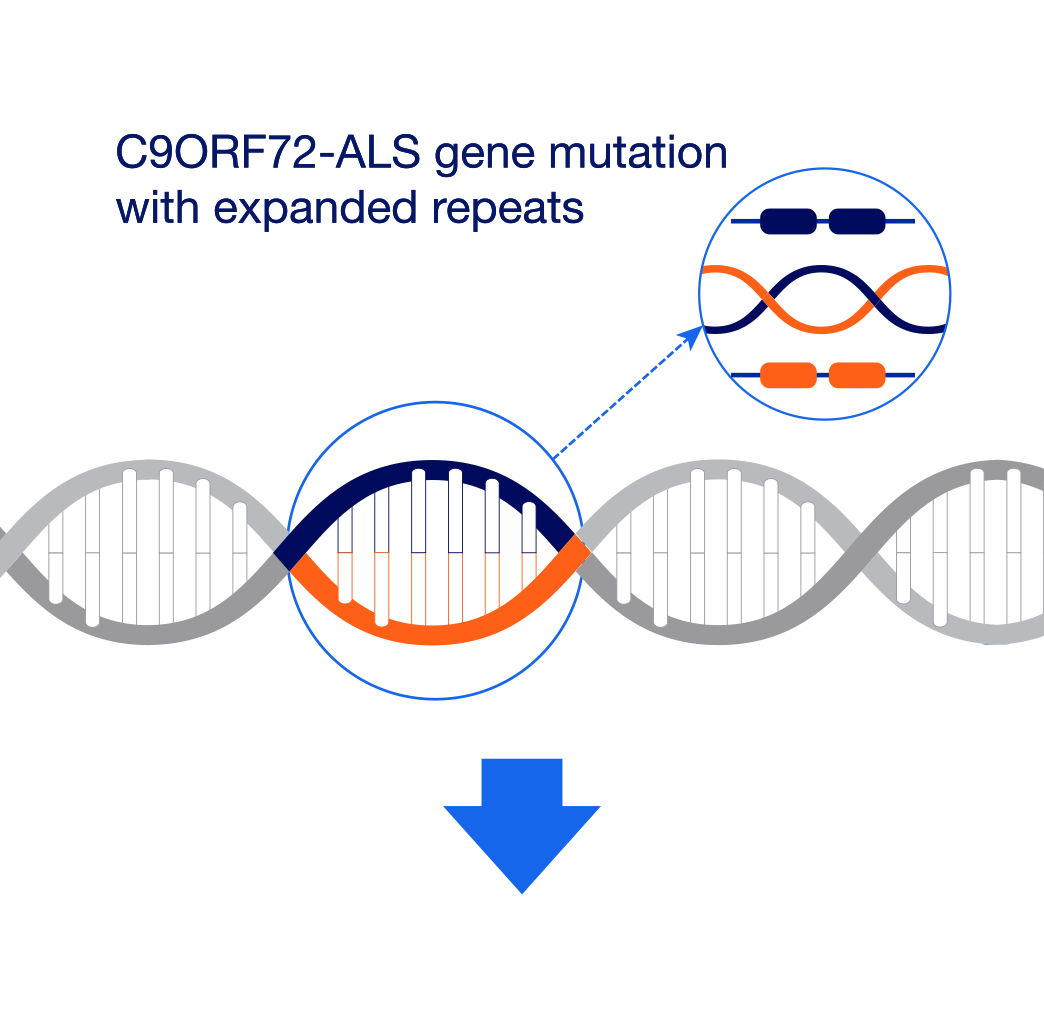
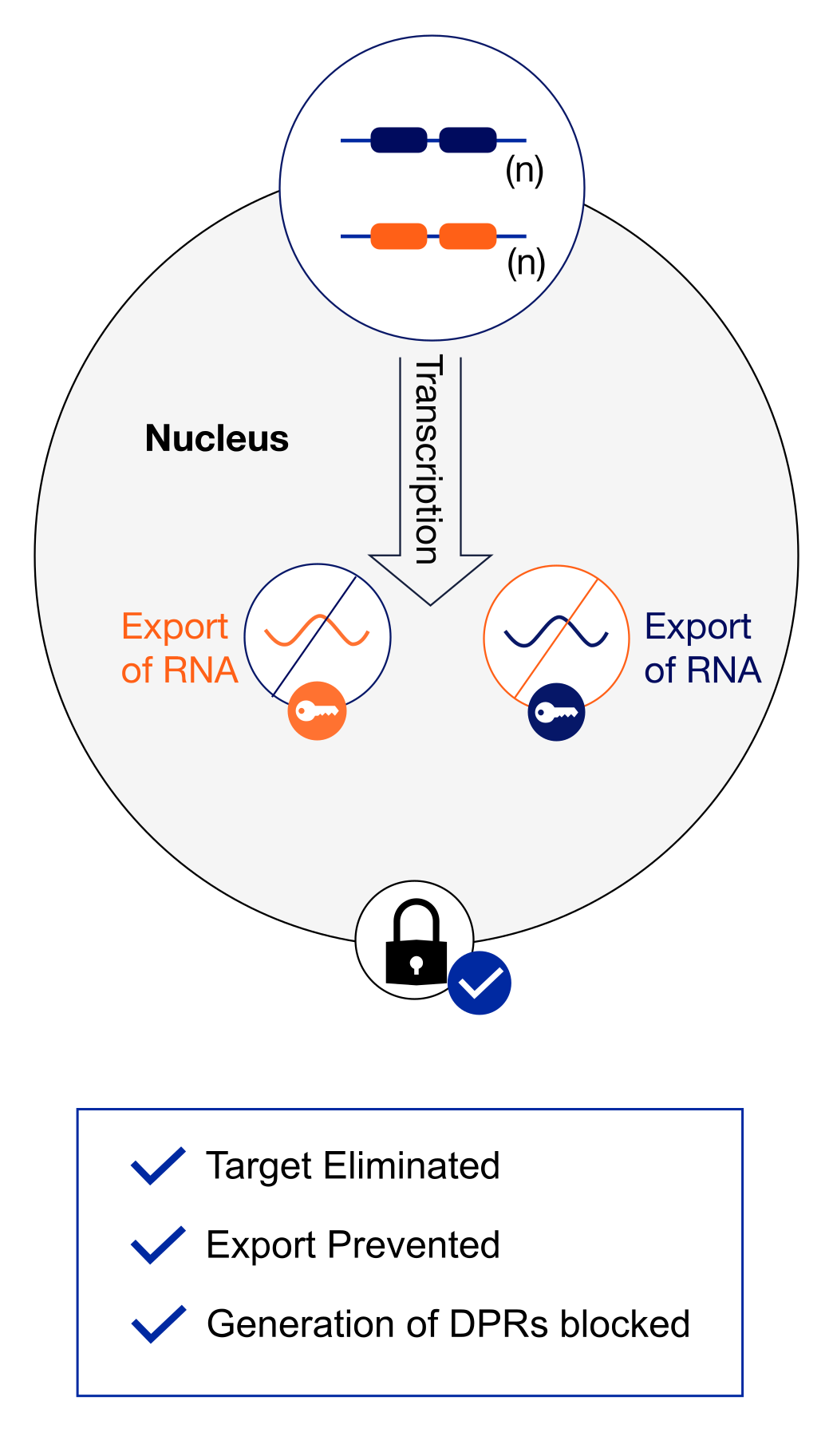
In the context of C9orf72-linked ALS and FTD, SRSF1 binds to pathological RNA repeat expansions and facilitates their export into the cytoplasm where they drive the production of neurotoxic dipeptide repeat proteins (DPRs). Lowering SRSF1 levels has also been linked to reduced TDP-43 pathology and aggregation, which is a molecular hallmark of the more prevalent form of “sporadic” ALS and other neurodegenerative diseases.
Scientific Approach
Crucible is developing novel therapies that prevent rogue nuclear RNAs from escaping into the cytoplasm where they drive toxic gain-of-functions and cell damage. Our approach disrupts the production of toxic dipeptide repeats (DPRs) and TDP-43 aggregates, which are relevant to both C9ORF72- and Sporadic-ALS populations and potentially other neurodegenerative diseases. Production of toxic DPRs is predicted to be the major cause of disease progression in patients who possess the C9ORF72 mutation, whilst TDP-43 mislocalisation to the cytoplasm and aggregation occurs in 97% of ALS patients.
In recent years, RNA interference (RNAi) has become an established technology that can reliably rid patients of disease-causing or disease-enabling genes or proteins. RNAi therapies can be delivered to patients as short-interfering RNAs (siRNA) or as short-hairpin RNAs with the latter typically being delivered as part of a viral vector (e.g. AAV). Crucible is pursuing both approaches for the treatment of ALS, FTD and other neurodegenerative diseases.
Crucible targets both sense and antisense DPRs
Crucible targets both sense and antisense DPRs
Seminal research by our Scientific Founders demonstrated that SRSF1 depletion in ALS patient-derived motor neurons and animal models significantly reduces both the transport of rogue RNAs into the cytoplasm and the downstream production of neurotoxic proteins (DPRs) thus promoting motor neuron survival.
Crucible’s research with therapeutic candidates reveals that SRSF1, our novel therapeutic target, can be manipulated to provide neuroprotection in ALS, FTD and other neurodegenerative disorders. Our first-in-class, SRSF1-targeting therapy has the potential to alter the course of these devastating diseases.
Connect with us
We seek partners with capabilities to accelerate our programs and market access, increase effectiveness, quality and productivity.